Breaking the (context) window
I asked to turn three office rooms into one shared space. With a fleet of shluchim for each person, I want more conversation too, with room to focus.
I asked to take down walls at the office.
Three rooms where people work, turned into one shared room. A fairly physical request for something that began with a thought about AI. Turns out this revolution sometimes needs someone who knows their way around drywall too.
I don’t yet have a story about how it worked. I’ve asked for the change. But the more I think about it, the more I realize it touches something that occupies me well beyond where the desks go.
Each person now has a fleet of AI workers. Shluchim you can give tasks to, explore ideas with, send off to search, write or prepare things. Each person’s ability to get things done is expanding, and I want the dynamic between us to change along with it.
(Shluchim, singular shaliach, is Hebrew for “emissaries.” It’s what I call my AI agents.)
I want information to move more easily. For people to talk. To look up from the conversation with their shaliach and meet the person beside them.
Right now, that feels especially important to me.
Original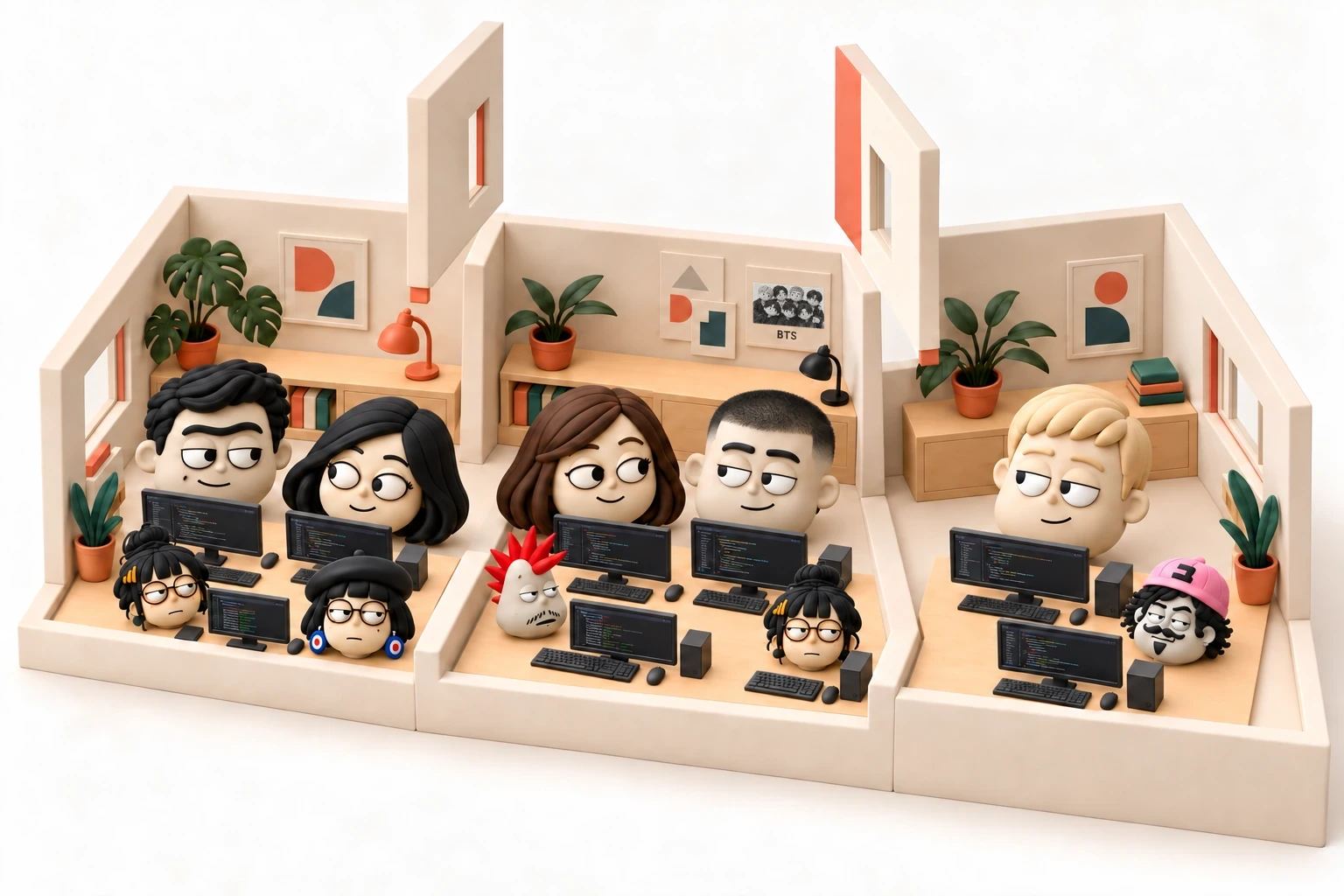 Pinch, double-tap or scroll over the image to zoom. Drag to move.
Wait, you’re working on that too?
Imagine everyone sitting in their own room, running an entire team. One person is testing a direction, another is developing an idea, a third is already sending their shluchim to prepare something else. Each can make very good progress inside their own world.
But what happens between those worlds?
How does the understanding travel that something has changed? That someone discovered something relevant? That the question we’re trying to answer needs to be phrased differently in the first place?
You can imagine a small moment: someone describes what they’re working on, and the person beside them realizes it connects directly to something they’re exploring. Before anyone opens a proper document, there’s a connection. Maybe it saves duplicate work. Maybe a better idea emerges. Maybe we simply discover that we’re using the same word for two different things.
Those are the moments I want to give more chance to happen.
Because if everyone can put more work into motion, it matters even more to me that we understand together what work is worth doing. Otherwise, we can be very busy, with plenty of help, and discover that everyone has sailed off in a different direction.
A fleet, remember.
Original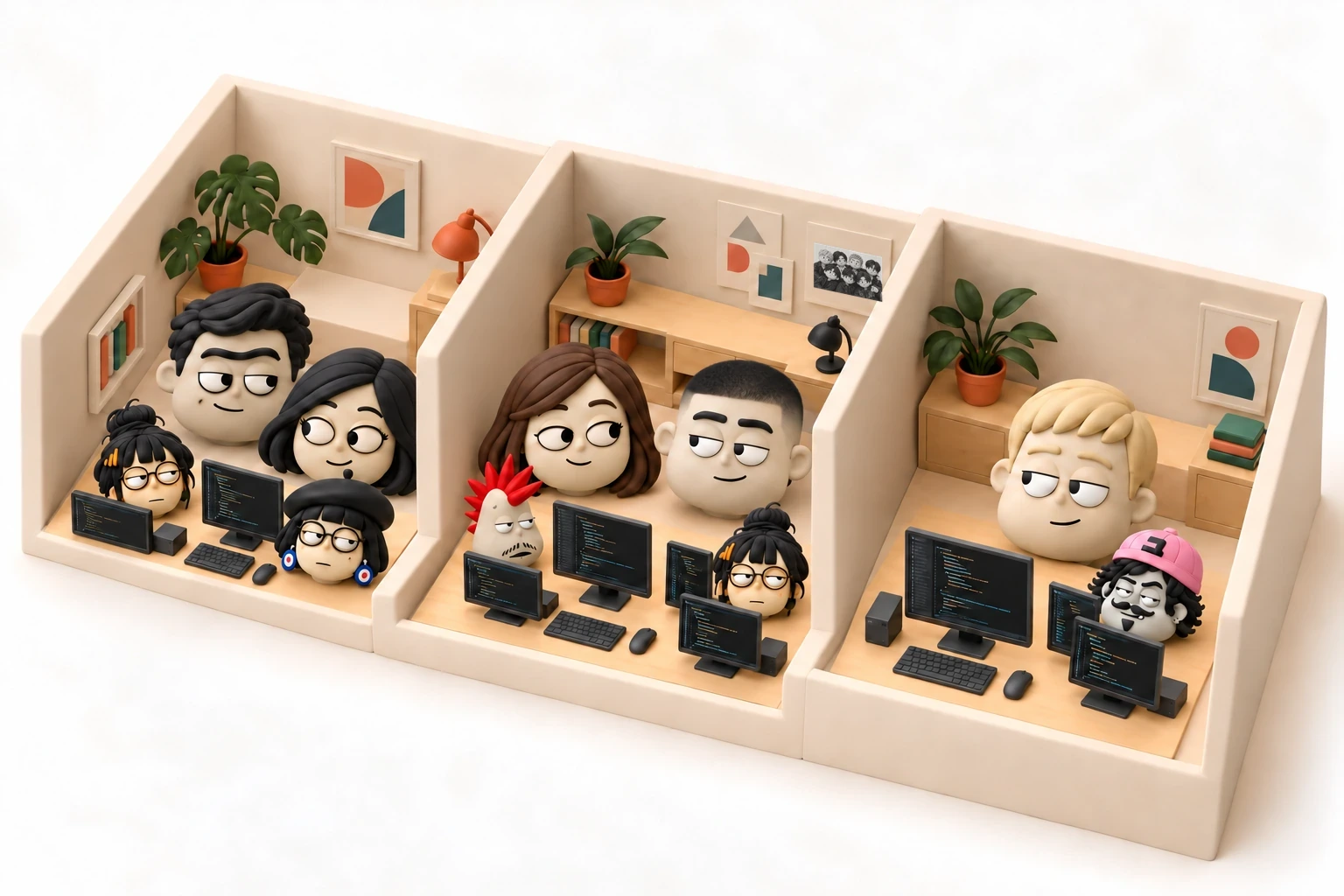 Pinch, double-tap or scroll over the image to zoom. Drag to move.
You have to bring the context
When you give a shaliach a task, it’s worth giving it what will help it do the job too. What we’re trying to achieve, what we’ve already tried, what’s changed, where to be careful. It can help with the information it has access to. The conversation that happened inside someone else’s head still needs to be passed along.
And this is where I come back to people.
If someone hears something important from a colleague, they can carry it on to their shluchim. Update the task, change direction, ask a different question. Suddenly, a short conversation between two people can affect a lot of the work that follows it.
That’s the part that excites me. One person brings experience, another knows the problem, and someone asks the question we hadn’t thought to ask. Now each of them can also take what came out of that conversation and do something with it.
I want that combination: more ability for each person, and more connection between people.
So we get to enjoy it too
Working with AI, I’m constantly thinking about how information gets to where it’s useful. How a shaliach gets the context it’s missing. How the result of one task can help with another.
Then I look at the office and ask: wait, what about us?
If we’re putting so much effort into connecting information for the shluchim, people should benefit from a better connection too. It should be easy to share a thought before it’s fully formed. To ask for advice without turning every question into a calendar event. To say something feels odd, even before we’ve found a brilliant way to explain why.
Some things start with an unfinished sentence. A look. Someone explaining what they’re trying to do, and realizing halfway through their own explanation what’s missing.
To me, there’s a lovely opportunity here: use this new ability to work together more. Take all the excitement about shluchim and let it expand the human conversation too.
And a little quiet, please
A shared room can also be noisy and tiring. I don’t want people to have to listen to every conversation, or for it to be fine to interrupt anyone at any moment just because you can see them.
We need room to concentrate. We need privacy. We need the option to get absorbed in something without being pulled into every idea passing through the room.
We’ll have to find that balance. Taking down walls alone won’t create trust, curiosity or a desire to share. It can create an opportunity to meet, and we’ll have to learn how to use it well.
So I’m not offering an architectural plan for every office in the world. This is a thought about our work and a change I want to try. It’ll be interesting to see what actually helps and what needs adjusting.
Original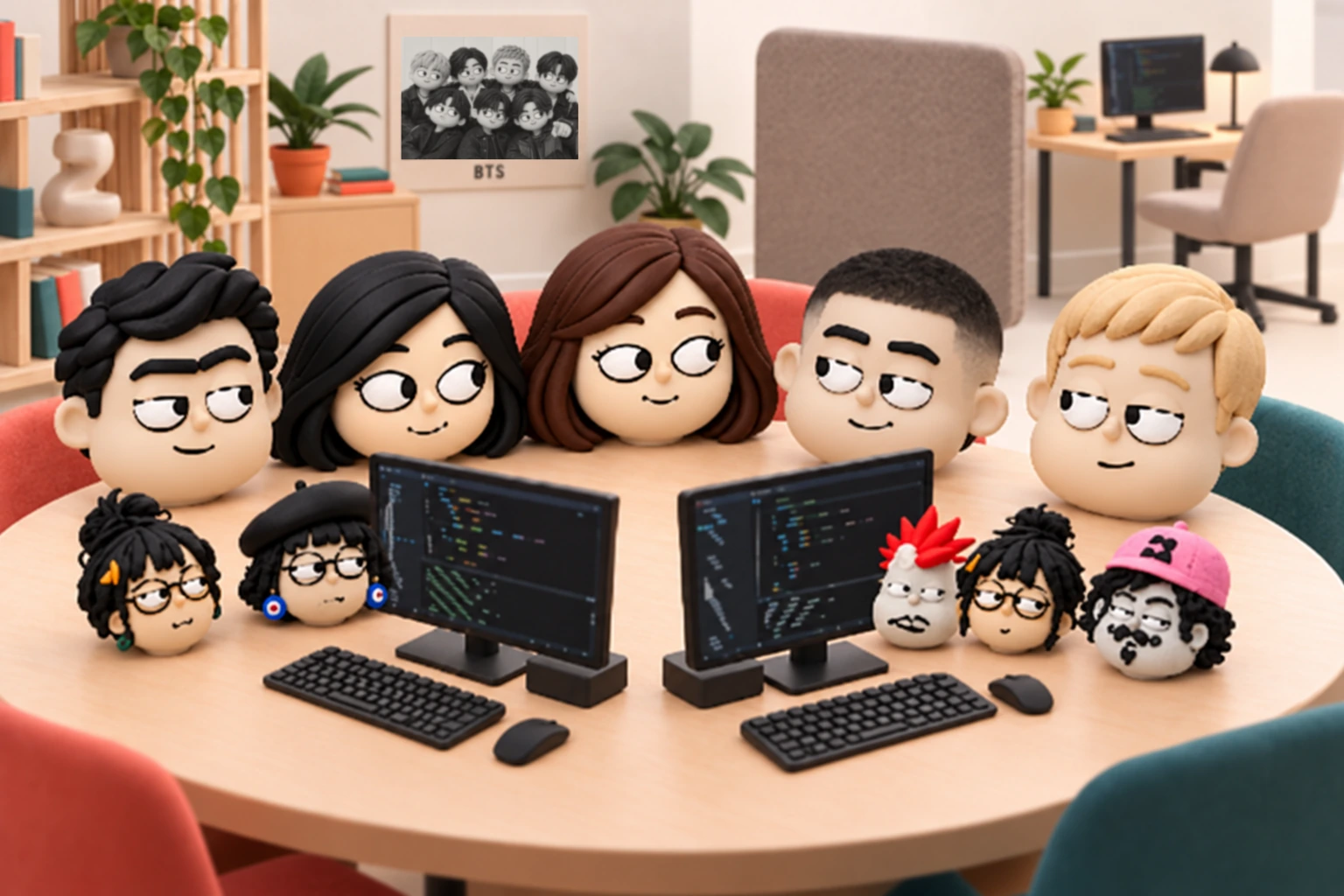 Pinch, double-tap or scroll over the image to zoom. Drag to move.
More people in the picture
I know how easy it is to get carried away working with AI. There’s always something else to try, another task to give, another direction to explore. You can fill an entire day with it.
And I want to bring more people into that picture.
I want these abilities to bring us closer. To make it easier to share what we’re discovering, build things together, and enjoy the mind of the person sitting beside us too. There’s something exciting about taking an idea born between people and immediately giving it more working hands.
That’s why I asked to turn three rooms into one shared room.
Everyone arrives with a fleet of shluchim. I want it to be easy for us to look up, talk, and decide together where we’re sailing.